




Nature-based solutions to tackle climate change
Beyond construction, as part of our OnPath Together development approach we commit to 100% of new projects to have either a habitat management plan (HMP) or biodiversity action plan (BAP) in place as appropriate to ensure ongoing habitat management and monitoring.
Through careful design and planning, we can harness the power of nature to help us remove CO2 from the atmosphere and ensure that nature is not just preserved, but enhanced through our developments. By committing to a holistic approach and establishing thorough habitat management plans at the beginning of every project, we’ve successfully restored hundreds of acres of peat bogs around our wind farms.
The project
Peat bogs act as natural carbon sinks with the ability to store twice as much carbon as all the world’s forests combined. In 2024, we partnered with local construction firm, Drumclog Plant Ltd.- known for leading habitat restoration in Scotland, to revitalise 91 hectares of vital peat bog surrounding our Middle Muir Wind Farm. This restoration ensured that the peatlands would continue to capture carbon effectively whilst also supporting local biodiversity for decades to come.
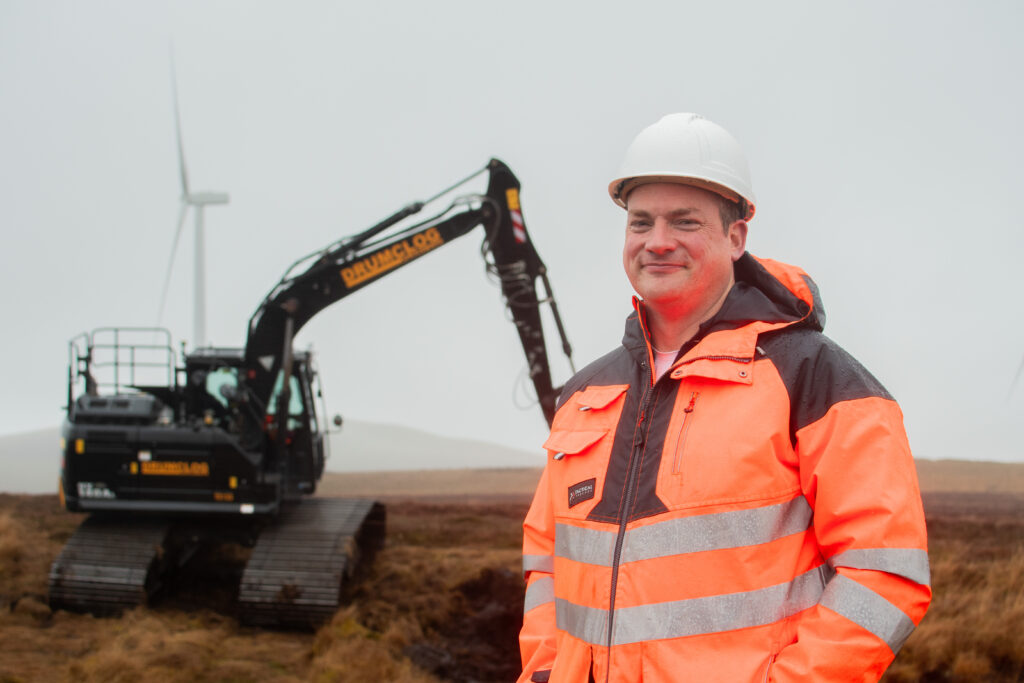
Preserving and enhancing peatlands like this is crucial for the country’s biodiversity. Peatlands are phenomenal natural carbon sinks, locking in vast amounts of carbon, that is why we must do everything in our power to secure their future.
Rachael Edmunds: Senior development planner, OnPath Energy
Adaptive methods for a lasting restoration
The project involved diverse bog restoration techniques with the viewpoint to raise the water table on the bog and prevent any further erosion to the peat.
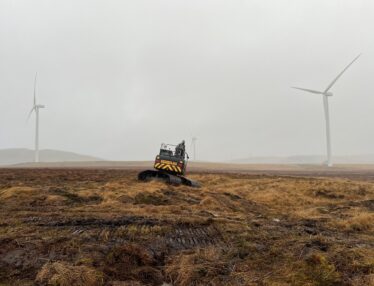
Peat hag reprofiling
Peat hag reprofiling was used to stabilise eroded areas of exposed peat. By reshaping and covering exposed peat edges we prevented further erosion, reducing carbon loss, and restored the health and resilience of the peatland.
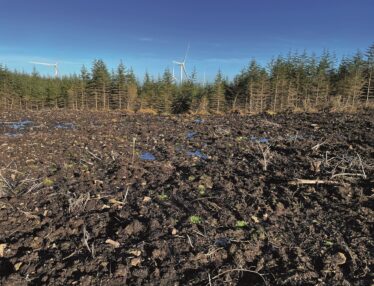
Installing peat dams
Peat dams were installed across eroded channels to help restore the bog’s natural water levels. This process slows water flow and helps maintain wet conditions, creating the right circumstances for native vegetation to recover, stabilising the landscape and supporting long-term ecological restoration.
The results

Over 91 hectares of peatland protected in 2024
Over time the restored peatland can resume storing carbon and help tackle climate change.

Increasing biodiversity across the site
Healthy peatland provides an important habitat for many species including butterflies and owls, as well as the endangered Black Grouse.

Contributing to wider government targets
Our peatland restoration efforts play a vital role in supporting the long term health of Scotland’s natural landscape and directly contributes to Scotland’s national target of restoring 250,000 hectares of degraded peatland by 2030.
Delivering on our climate and nature positive commitment
By embedding sustainable design practises into our projects from the outset, we’re able to deliver the highest environmental standards while maximising benefits for local nature and habitats. At Middle Muir, this approach enabled us to restore over 91 hectares of degraded peatland, supporting biodiversity, improving landscape resilience, and contributing to Scotland’s national climate goals.
Through our OnPath Together commitment to a climate and nature-positive approach we’re achieving significant biodiversity net gains and carbon reduction, and this work reflects our commitment to being a responsible developer, demonstrating how thoughtful planning and a holistic approach can create long lasting, positive change for the planet.
Our OnPath Together commitment mean that we design projects to protect the environment and its biodiversity. WE commit to achieve a bio-diversity net gain of at least 10% for all new projects and that 100% of new projects have either a habitat management plan or biodiversity action plan in place as appropriate.